
What a Nonstick Pan Set Gives You in Daily Cooking
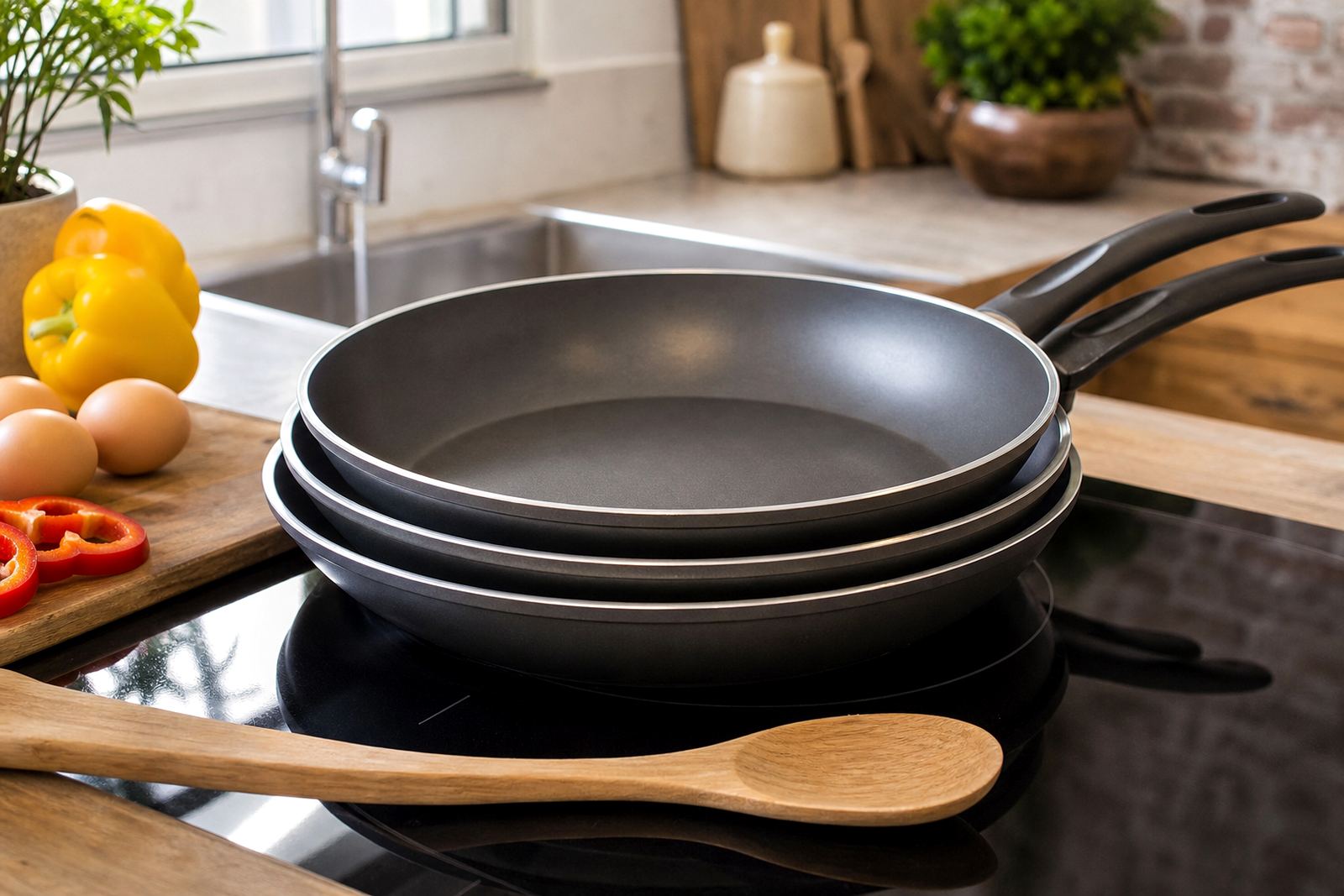
A nonstick pan set usually includes two or more frying pans in different sizes, so you can cook a single breakfast portion or a full family supper without using the same pan for everything. The coated cooking surface helps food release more easily, which is useful for fish, eggs, flapjacks, mushrooms and other delicate foods that tend to stick in ordinary pans.
For many South African kitchens, the big advantage is speed. Nonstick cookware heats up quickly, uses less oil and is easy to wipe down after use, which matters when load-shedding changes your cooking routine and you need meals on the table without extra fuss.
- Good for frying, sautéing and light braising
- Useful for gas, electric and ceramic hobs
- Ideal for low-oil cooking and easy clean-up
- Handy for everyday meals, from breakfast to supper
Sizes, Pan Types and What Usually Comes in the Set
Most nonstick pan sets come in a mix of small, medium and large pans, usually around 20 cm, 24 cm and 28 cm. Some sets also include a deeper sauté pan or a lid for simmering sauces and keeping splatter down. If you cook for one or two people, a smaller set may be enough. If you cook for a family or batch cook on weekends, a larger combination gives you more flexiblity.
Handles are usually designed for a secure grip and should stay comfortable while moving the pan between hob and counter. Some sets include glass lids, which let you check food without lifting the lid and losing heat.
- 20 cm pan for eggs, toasties and side portions
- 24 cm pan for stir-fries, chicken strips and vegetables
- 28 cm pan for family cooking and larger cuts of meat
- Optional lid or deeper pan for sauces and one-pan meals
Where This Cookware Suits Best in South African Homes
This set suits apartments, cluster homes, starter homes and family kitchens in places like Midrand, Johannesburg, Pretoria, Cape Town, Durban and Gqeberha. It is a sensible option for households that want everyday cookware without a heavy price tag, and it works well in smaller kitchens where storage space is limited.
It also suits homes near the coast, where humidity can affect some kitchen items if they are not dried properly after washing. A nonstick pan set is easy to store, easy to rinse and simple to keep ready for the next meal. For rental homes and shared kitchens, it is practical because you can set up cooking quickly without needing special fittings or complicated setup.
- Small kitchens and apartment living
- Family cooking and weeknight meals
- Holiday homes and guest units
- Shared homes where quick washing is important
Power, Gas and Hob Compatibility
Nonstick pans do not need installation in the usual sense, but they do need the right heat source for safe use. Most sets are suitable for gas, electric and ceramic hobs, though you should always check the base type before ordering. If your home uses gas during load-shedding, a pan with a flat, stable base is important so it sits properly on the flame and heats evenly.
For induction cooking, the pan base must be magnetic and clearly marked as compatible. If you are not sure about your hob type, check the product details before buying. That small step saves trouble later and helps avoid a set that looks right but wont work on your stove.
- Check whether the set is gas, electric, ceramic or induction compatible
- Make sure the base sits flat and level
- Confirm handle material if you cook at higher heat
- Look for heat-safe lids and grips if included
Care, Cleaning and Everyday Servicing
To keep the nonstick surface working well, wash the pans with warm water, mild dish soap and a soft sponge. Avoid steel wool and harsh scouring pads, as these can scratch the coating and reduce performance over time. It is best to let the pan cool before washing, because sudden temperature changes can shorten its working life.
Use wooden, silicone or plastic utensils instead of sharp metal tools. Stack pans with a soft cloth or paper towel between them if you are short on cupboard space. If the handles feel loose or the base starts to warp, stop using the pan and inspect it before your next cook. A little care goes a long way, especially when you use the same set most days.
- Hand wash where possible for longer life
- Dry fully before stacking or storing
- Use low to medium heat for best results
- Avoid empty preheating on high flame
What to Check Before You Place Your Order
Before you order a nonstick pan set, check the number of pans included, the exact sizes and whether lids are part of the pack. Some sets are light and easy to handle, while others are thicker and better for more even heat. If you cook often, pay attention to the handle design, the weight of the pans and the type of hob you use at home.
It also helps to think about what you cook most. If you make breakfast daily, a smaller pan is useful. If you cook meat, sauces and vegetables in one go, a deeper pan can save time. For households buying gifts, corporate packs or multiple sets, ask about bulk order help and gift wrapping when you enquire through the contact page.
- Confirm pan sizes and number of pieces
- Check hob compatibility before checkout
- Look for lids, helper handles or deeper pan options
- Think about storage space and daily cooking habits
Key facts
| Product type | Nonstick pan set for everyday home cooking |
|---|---|
| Common sizes | 20 cm, 24 cm and 28 cm pans, depending on set |
| Suitable heat sources | Gas, electric, ceramic and some induction hobs |
| Care | Hand wash with soft sponge, mild soap and non-abrasive utensils |
| Typical use | Frying, sautéing, eggs, vegetables, fish and quick meals |
| Key benefit | Easy food release with simpler clean-up |