
What a vacuum sealer does in the kitchen
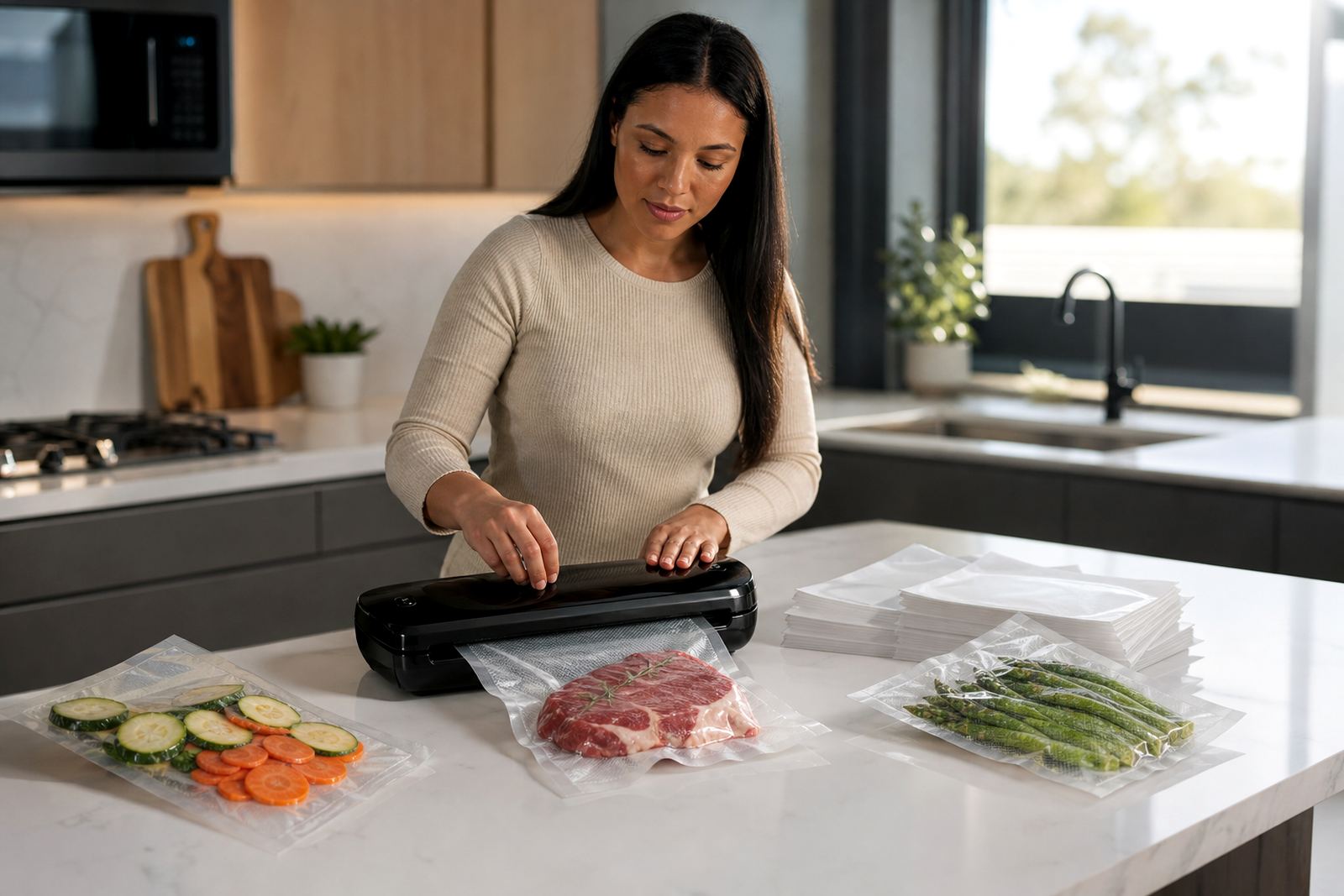
A vacuum sealer removes most of the air from a bag or compatible container, then seals it closed so food is stored with less exposure to moisture and freezer burn. That makes it useful for meat, fish, cheese, dry snacks, coffee beans, leftovers and portioned meals. For households that shop in bulk or cook ahead for the week, it can cut waste and keep cupboards and freezers neater.
In South African homes, it suits load-shedding planning too because you can batch-pack food after shopping and freeze it in clear portions. A sealed pack is also easier to stack in a chest freezer or upright freezer, which helps when space is tight. It is not just for big families either, a small unit can be handy for couples who like to store meat and vegetables in orderly portions.
Sizes, styles and everyday options
Vacuum sealers come in a few common styles. A compact countertop unit is usually the best fit for regular home use, while a larger model is better if you seal often or handle bigger batch orders. Some units only seal bags, while others can work with accessories such as compatible canisters or container lids.
- Compact home model: Best for occasional sealing and smaller kitchens.
- Standard countertop model: Suited to weekly meal prep and bulk buying.
- Wide-seal model: Useful for larger portions, bulk meat packs and bigger fish fillets.
- Accessory-ready model: Helpful if you want to seal jars, containers or special storage tubs.
When comparing options, check the seal width, bag size support and whether the machine has dry and moist food settings. A few models also include a pulse function for soft items like bread or berries, so the contents do not get squashed.
Where this gadget suits best at home
This product suits kitchens that do a lot of grocery planning, freezer storage or portion control. It is common in homes that buy meat in larger packs, prepare school lunches in advance, or keep pantry staples like rice, nuts and snack mixes fresher for longer. It can also help if you cook for visitors, run small home catering jobs or want cleaner storage for seasonal buys.
If you live in a coastal area like Durban or Gqeberha, airtight packing can help protect dry goods from humid air when the bag is used correctly. For inland homes in Midrand, Pretoria or Johannesburg, it is just as useful for dust control and keeping food organised in the freezer. It is a practical tool for anyone trying to stretch groceries further and waste less.
- Home meal prep and lunch portions
- Bulk meat and freezer storage
- Dry pantry goods like nuts, rice and coffee
- Leftovers, herbs and grated cheese
Power, setup and what you need before first use
Most home vacuum sealers run on standard mains power and plug into a normal South African socket. Check the voltage rating on the unit before ordering and make sure the plug type suits local use. If you plan to use it during load-shedding, consider pairing it with a small inverter or backup power setup, since the machine needs a steady power supply while sealing.
Setup is usually straightforward. Place the unit on a dry, level surface near your prep area, leave space behind it for the bag edge, and keep the sealing strip clean. You will also need compatible vacuum bags or rolls, plus a pair of scissors or a cutter for trimming the bags. Some households like to keep a marker nearby to label dates and contents before freezing, which makes meal planning easier later on.
Care, cleaning and longer life
Good care starts with wiping the exterior after use and checking the seal area for crumbs, moisture or oil. If a machine is used for moist foods, let it cool between seals so the strip does not overheat. Keep the lid closed when not in use, and store bags in a dry cupboard away from direct sun.
For the best life span, avoid overfilling bags because food bits or liquid can interfere with the seal. If you seal meat, fish or marinated items often, allow for a little extra space at the top of the bag. Do not use damaged bags, as small holes can ruin the vacuum and waste product. A simple weekly clean helps a lot and keeps the unit working properly.
- Wipe the seal strip and drip tray after use
- Let moist items cool before sealing again
- Use only compatible bags or rolls
- Store in a dry place away from heat
What to check before you place an order
Before ordering, check the bag width the machine supports, whether it suits dry and moist food, and if it has a strong enough suction for the way you shop. If you buy in bulk, look for a wider seal and the option to handle larger bags. If you only seal small portions, a compact model may be enough and take less counter space.
Also confirm what comes in the box. Some units include starter bags or rolls, while others are supplied on their own. If you plan to store many different foods, look for simple controls, clear indicator lights and a unit that is easy to clean. For households managing gift hampers or corporate food packs, a neat seal matters as much as speed, so check the finish and the seal consistency before you add it to your cart.
- Bag size and roll compatibility
- Dry and moist food settings
- Starter kit contents
- Ease of cleaning and storage
Key facts
| Product type | Home vacuum sealer for food storage |
|---|---|
| Power | 220 to 240V mains power |
| Use case | Freezer storage, bulk buying, meal prep and pantry packing |
| Bag compatibility | Standard vacuum bags and roll material, depending on model |
| Control options | Dry food, moist food and pulse functions on selected models |
| Typical size | Compact countertop format, usually 35 to 45 cm wide |
| Maintenance | Wipe clean after use and keep seal area dry |