
What a lounge upgrade should solve in a South African home
Most lounge upgrades start with the same problems: seats that are not comfortable for long evenings, lighting that is too harsh, storage that fills up fast, and cables that make the room look messy. In Midrand homes and apartments across Gauteng, the aim is usually to make one room handle TV time, chatting, reading, homework and visitors without feeling crowded.
Shared spaces also have to cope with everyday conditions. On hotter coastal days in Durban or Gqeberha, fabrics can feel sticky and light fittings need to handle frequent use. In winter, especially in Pretoria or the highveld, people want a warmer feel without switching on every light in the house. If load-shedding is part of the routine, your lounge plan should include a backup lamp, charged lighting or a small power solution for the basics.
A good upgrade is not about buying everything at once. It starts with the main pain points and then adds comfort in the right order, so the room looks better and works better too.
Comfort pieces that make the room feel more usable
The first items most households look for are the pieces people touch every day. That usually means a better side chair, a throw for cooler evenings, a firm scatter cushion set, a footrest, or a small coffee table that gives everyone a place to set down a cup or remote. If you have children, pets or regular visitors, choose fabrics and finishes that are easy to wipe down and do not show marks too quickly.
For a lounge that doubles as a family room, it helps to keep the main seating grouped around one focus point. That might be the TV, a feature wall, a window, or a central table. Leave enough walking space so people are not squeezing past furniture. In smaller rooms, one light chair and one compact table often work better than a bulky set.
- Loose cushions for colour and quick seasonal changes
- Throws for winter warmth without changing the whole room
- Small side tables for drinks, reading glasses and remotes
- Footrests or pouffes for extra seating when guests arrive
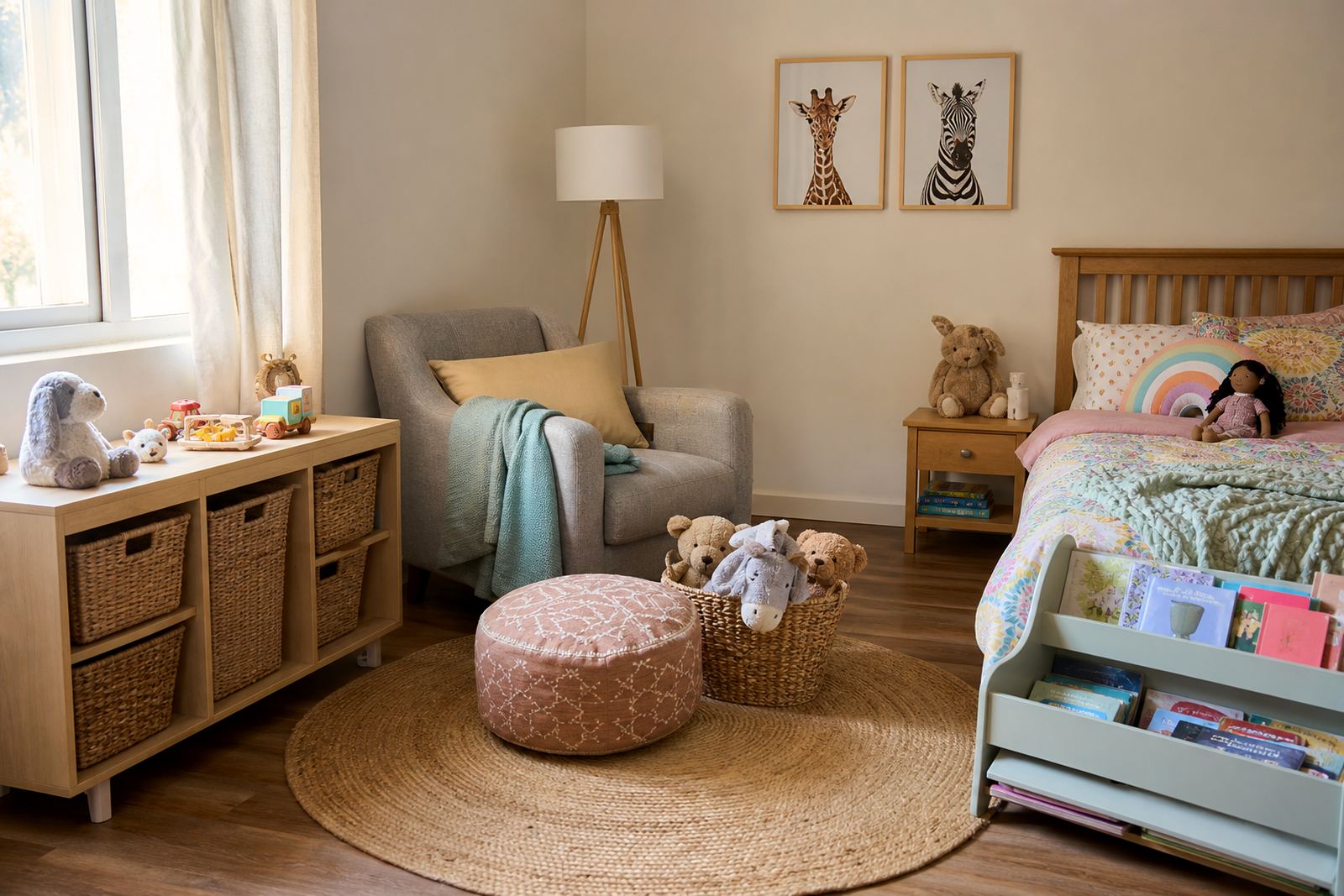
- Storage baskets for blankets, toys and magazines
If you are buying for a busy home, make the comfort layer practical first, then style it later. That saves money and avoids replacing items too soon.
Lighting ideas for evenings, power cuts and better mood
Lighting changes a lounge more than many people expect. A single bright ceiling light can leave the room feeling flat, while layered lighting makes the space softer and easier to use. Start with general light, then add task light for reading or craft work, and finally a small accent light to create atmosphere in the evening.
For South African homes, it is wise to think beyond the main switch. A rechargeable lamp, battery powered lantern or compact backup light can be useful during load-shedding, especially if the lounge is where the family gathers. Warm white light is usually better for relaxing spaces, while cooler light can work near a reading corner or work table. If your lounge gets strong afternoon sun, blinds or curtains can help reduce glare and protect furniture from fading.
- Table lamps for softer evening light beside seating
- Floor lamps for corners that feel dark or unused
- Rechargeable lights for load-shedding and late evenings
- LED strips or small accent lights for shelves and cabinets
- Dimmable options if you want one room to do several jobs
Keep the cord routes neat and avoid overloading plugs. In homes where the same socket feeds a TV, decoder, charger and lamp, it is worth planning the power points before adding more items.
Entertainment and gadget choices that fit the space
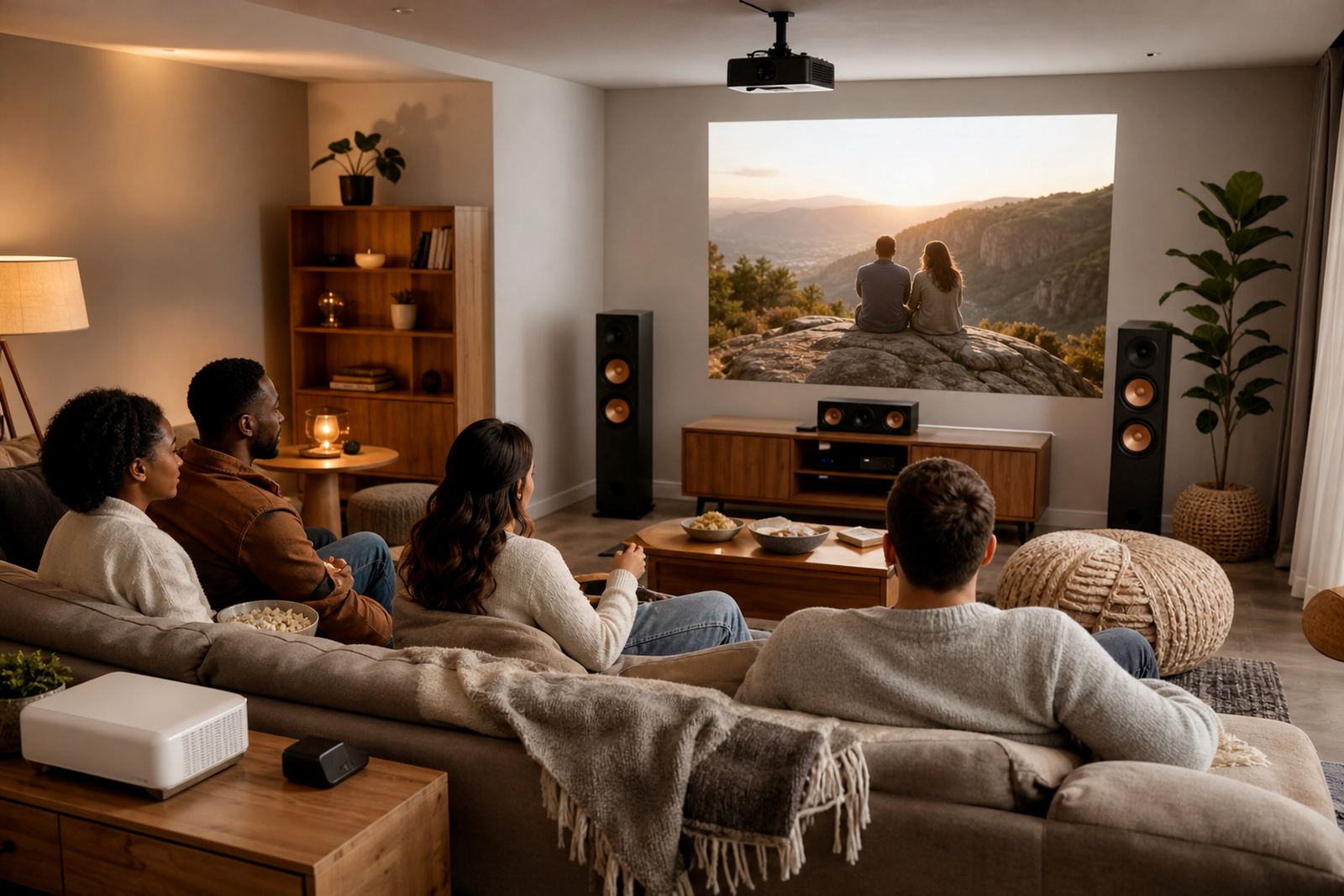
Entertainment upgrades should match the size of the room and how the family uses it. A larger television is not always better if the room is narrow, and sound equipment can overwhelm a small apartment if it is placed too close to walls. Think about viewing distance, sound direction and where people sit most often.
Simple gadgets can make the lounge easier to live in. A remote caddy, cable organiser, small charging station or compact media stand can remove clutter quickly. If the room is used for sports nights, movie evenings or gaming, keep the main screen visible from the primary seats and avoid placing tall items in front of it. In open-plan homes, a rug or side cabinet can help define the lounge area without closing it off.
Many customers also look for useful extras like snack trays, compact fans for hot evenings, or a small clock that is easy to read from across the room. These are not showy items, but they improve daily use a lot more than people expect.
Layout and planning that prevent a cramped room
The best lounge layouts leave breathing room. Before buying, measure wall lengths, doorway clearance and the distance between seating and the main focal point. In a Midrand townhouse or a flat in Cape Town, 10 cm can make the difference between a room that feels balanced and one that feels tight.
Work in zones if the room is shared. One side can hold the main seats and TV, while another corner can carry reading light, a small table, or a storage basket. This helps everyone use the room without crowding the same spot. If your lounge opens into the dining area or kitchen, use matching colours or repeat one material so the spaces feel connected.
- Measure before ordering, including doorway and passage widths
- Keep walkways clear between seats and exits
- Use one large anchor item, then smaller support pieces
- Place lamps where they light the room, not just the wall
- Choose storage that hides clutter instead of showing it
It is also worth checking sunlight and heat in the room. A north facing lounge may need blinds or lighter fabrics, while a darker room may need more reflective surfaces and stronger lamps.
Common mistakes people make when upgrading a lounge
One common mistake is buying too many decorative pieces and not enough practical ones. Another is choosing items that look good online but do not fit the scale of the room. A huge rug in a small lounge can swallow the floor, while tiny cushions on a large couch can look lost.
People also often forget maintenance. Shiny finishes show fingerprints, pale fabric can stain quickly, and open shelves collect dust fast in dry inland areas. In coastal homes, metal parts and fittings should be checked for wear from humidity. It helps to choose items that are easy to clean and simple to move when you want to change the room around.
Do not ignore the power layout either. If you add a lamp, charger and media device to the same corner, you may end up with tangled cords and overloaded sockets. Planning the room properly first usually saves money later.
Budget ranges for a lounge upgrade in Rand
Budget depends on whether you are adding a few finishing touches or doing a fuller refresh. For a small lounge refresh, many shoppers spend around R800 to R2 500 on cushions, a lamp, a throw and one or two useful accessories. That can change the feel of the room without replacing large furniture.
A mid-range upgrade often sits between R3 000 and R8 000. This usually covers better lighting, more storage, one or two seating pieces, and several comfort items. For a more complete lounge makeover, especially if you are replacing multiple key items, budgets can move from R10 000 to R25 000 or more depending on size, finish and delivery needs.
If you are furnishing for a rental unit, guest suite or corporate space, it can help to work in phases. Start with lighting and seating, then add decorative items and storage. That makes the spend easier to manage and lets you adjust the room as you use it.