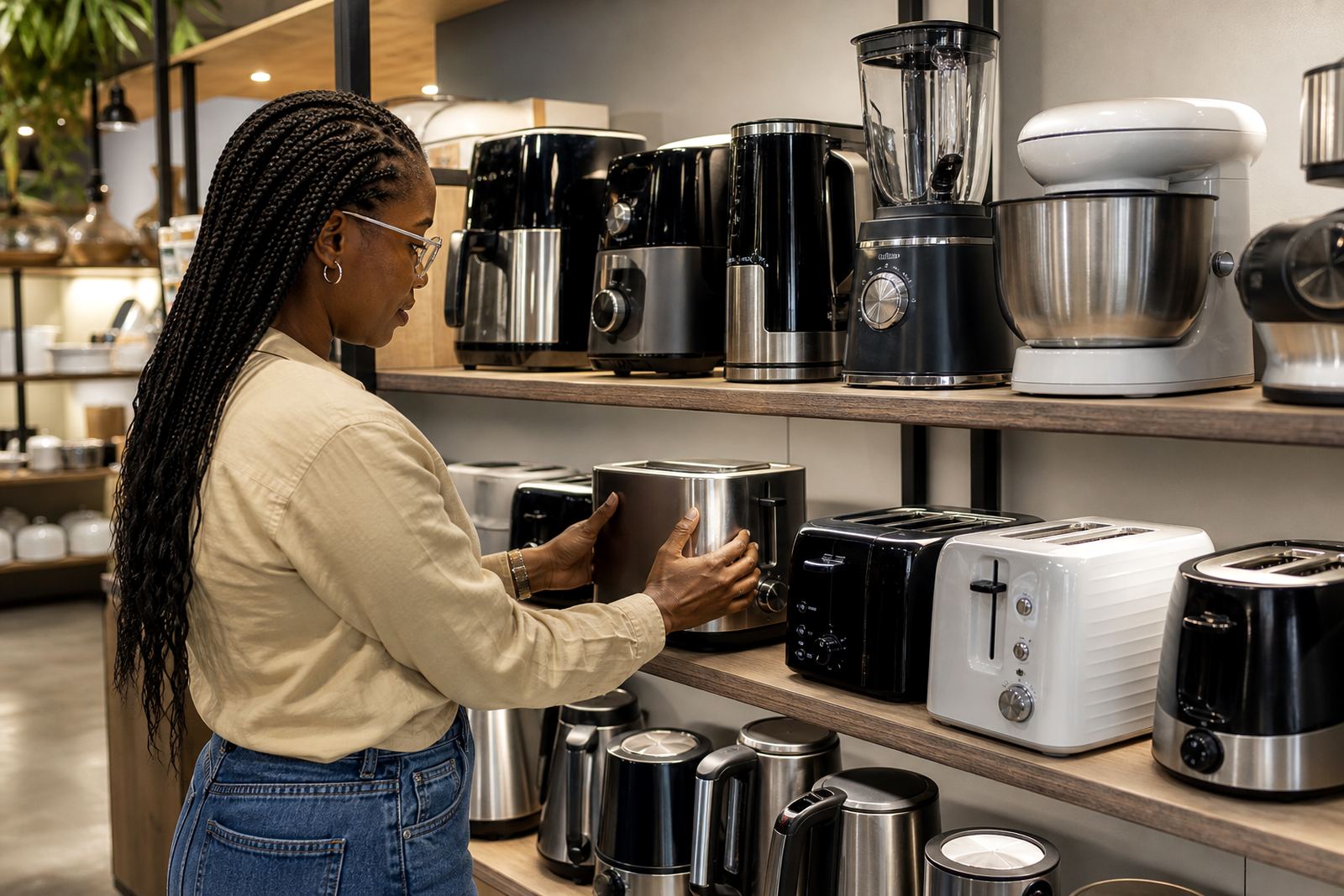

Why busy homes need simpler kitchen tools
In a family kitchen, the real test is not how fancy a tool looks but how well it handles rush hour. Breakfast before school, supper after sport, and weekend cooking for a bigger group all call for tools that are quick to use, easy to wash and safe enough for older children to help with under supervision.
For South African homes, that also means planning for load-shedding, small prep spaces and ingredients that go straight from the pot to the table. A good peeler, measuring jug or chopping aid can save ten minutes here and there, which makes a real difference on a school night in Midrand when everyone gets home at different times.
- Choose tools with simple grips and clear markings.
- Look for pieces that clean fast by hand or in the dishwasher.
- Pick items that work for more than one job, like mixing, storing or serving.
- Keep fragile or sharp tools stored out of reach when children are helping.
Meal prep tools that cut down weekday stress
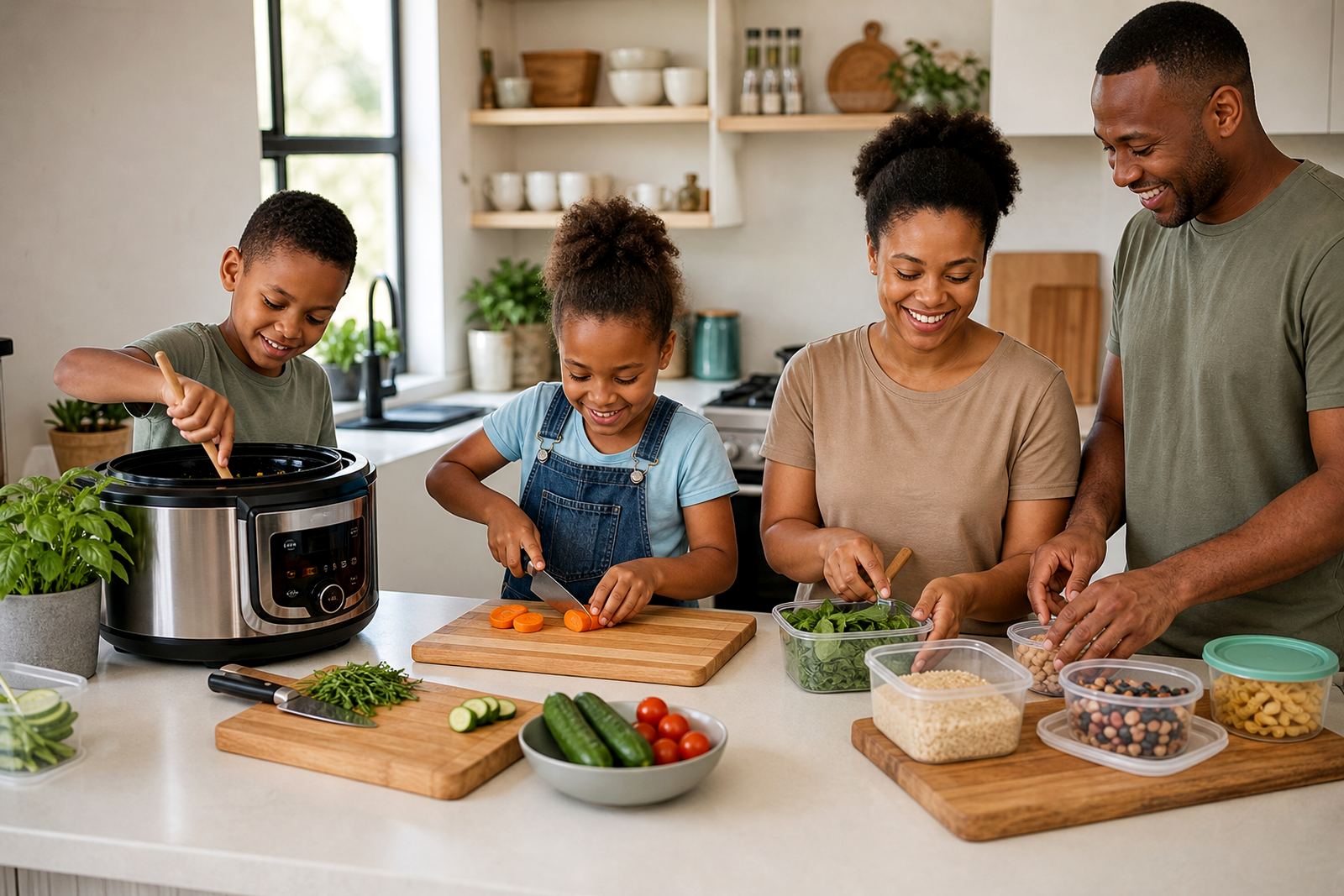
Most family meals start with the same jobs: washing, chopping, measuring and portioning. Tools that make those steps quicker can take pressure off the person cooking, whether it is a parent making supper or a teenager helping with after-school snacks.
A strong cutting board, a reliable vegetable peeler, a sharp handheld slicer and a set of nesting bowls are useful basics. A lidded container set also helps with leftovers, pre-cut fruit and packed lunches. When the whole household is involved, having one place for all the small items means fewer lost lids and less clutter on the counter.
- Vegetable choppers for onions, carrots and salad prep.
- Measuring cups and spoons for baking, sauces and batch cooking.
- Mixing bowls with lids for marinating and storing food.
- Silicone spatulas for scraping pans and stirring hot food.
- Food storage containers that stack neatly in the fridge or freezer.
Safer choices for cooking with children nearby
Family-friendly does not mean child-size. It means choosing tools that lower the chance of slips, spills and unnecessary mess. Non-slip bases on bowls, handles that are easy to hold and lids that seal properly all help when the kitchen is busy. If children are helping with fruit, bread or cold food prep, use tools that are designed for lighter tasks and keep hot surfaces well away.
In many South African homes, the kitchen is also the homework spot, the snack stop and the place where everyone gathers when the power goes off. So safe storage matters too. Keep knives, graters and sharp peelers in a fixed drawer or caddy, and use heat-resistant mitts for pots and trays. It sounds simple, but it prevents accidents when everyone is moving around at once.
- Non-slip chopping boards for steadier cutting.
- Heat-resistant gloves or potholders for stove and oven work.
- Child-friendly utensils for washing fruit or mixing cold ingredients.
- Clear storage tubs for sharp tools, out of easy reach.
Kitchen tools that work well during load-shedding
Load-shedding changes how families cook. You may need to prep earlier in the day, use less power or keep meals simple when the lights go off unexpectedly. That is why manual kitchen tools still matter. A hand whisk, manual chopper, airtight containers and a good bottle opener can keep dinner moving even when appliances are off.
Think about the meals your household makes most often. If you cook rice, stews, stir-fries or baked pasta, choose tools that support bulk prep and quick serving. In a Pretoria household, for example, a parent might chop vegetables in the morning, store them in sealed tubs and then use them later for a fast supper after work. It reduces stress and saves electricity as well.
- Manual choppers for vegetables, herbs and small batches of nuts.
- Hand whisks for sauces, eggs and pancake mix.
- Airtight containers to keep ingredients fresh during outages.
- Serving spoons and ladles for easy plating straight from the pot.
Choosing practical tools for lunchboxes and leftovers
School lunch prep is where many kitchen tools earn their keep. Families need containers that close properly, spoons that fit into lunch tubs and cutting aids that turn leftovers into something useful the next day. The best items are the ones that help you stretch food without making the kitchen work harder.
Leftover chicken can become wraps, roast vegetables can go into pasta, and fruit can be portioned into smaller tubs for the week. When you have the right tools on hand, it is easier to use what you already bought instead of reaching for takeaways. That matters in a month where grocery prices have already stretched the budget.
- Small snack containers for fruit, yoghurt and nuts.
- Reusable lunch tubs with tight-fitting lids.
- Portion scoops for rice, pasta and cereal.
- Label-friendly containers for meal planning and fridge organisation.
A local example from a Midrand family routine
Picture a Midrand family with two working parents, one child in primary school and one in high school. Mornings are tight, so breakfast items are packed out the night before. A vegetable chopper, storage tubs and a set of measuring spoons make it easier to prep lunchbox ingredients after supper, while a sturdy mixing bowl helps with pancake batter on weekends. Nothing complicated, just practical tools that save time.
That same home might also use a gift wrap service for family presents, or a wishlist when planning for birthdays and school prize giving. For bigger households, bulk order help can make sense for items like storage sets or baking basics. The point is not to buy more, it is to buy the right pieces that keep daily kitchen work manageable.
From Midrand to Johannesburg, Pretoria, Cape Town, Durban and Gqeberha, families tend to want the same thing: tools that help them cook faster, clean up sooner and keep mealtimes calm. When a kitchen is set up properly, the whole house feels easier to manage.