
Why matching containers make everyday storage easier
When the fridge, pantry and cupboard all use mixed tubs, boxes and jars, it gets harder to see what you have. Matching containers solve that by giving every item a clear place, whether it is rice, cereal, dry pasta, spices or leftovers. You waste less time shifting things around, and there is less chance of buying doubles because a packet was hidden behind something else.
There is also a practical side to it. Uniform shapes stack better, fit into corners more neatly, and make it easier to measure how much space you really have. In a small Midrand kitchen, that can be the difference between a shelf that feels cramped and one that works properly for the whole family.
- Clear containers let you see stock at a glance
- Square and rectangular shapes use shelf space better than odd sizes
- Matching lids reduce the daily hunt for the right cover
- Labels become easier to read when the containers are the same size
Start with the fridge, where spoilage happens fastest
The fridge usually needs the quickest sort-out because food moves in and out every day. Leftovers, chopped vegetables, sauces and deli items all last longer when they are sealed properly. Containers with tight lids also help limit spills, odours and cross-contamination, which matters when the power goes off for longer than planned during load-shedding.
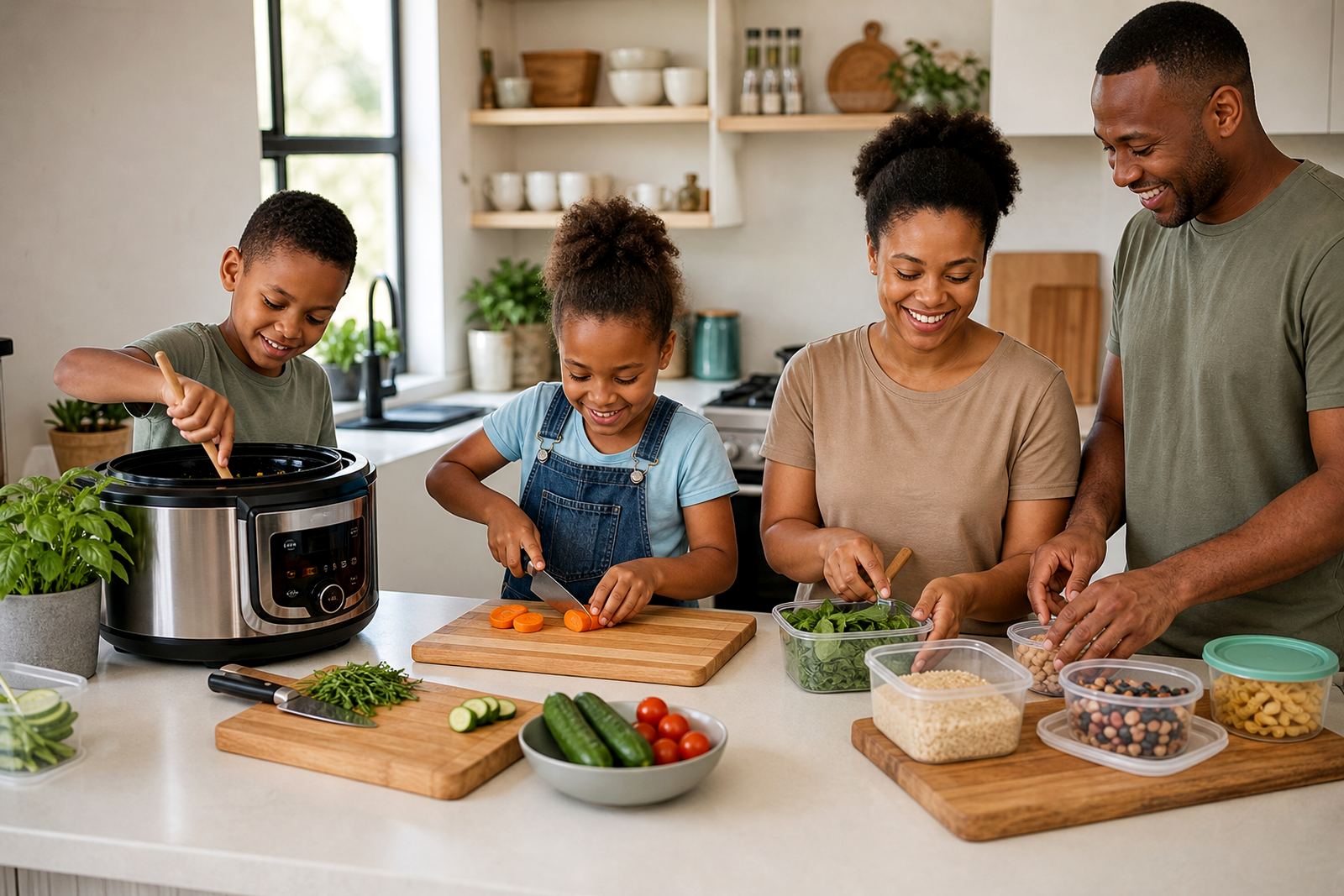
Use smaller containers for lunch portions and bigger ones for batch cooking. If you buy meat in bulk or prep meals on a Sunday, stackable tubs help you separate cooked and raw food more safely. In humid coastal areas like Durban and Gqeberha, a good seal is especially useful because moisture can affect freshness quicker than people expect.
- Keep dairy on one shelf and cooked food on another
- Use clear tubs for fruit, vegetables and snacks
- Store sauces upright in narrow containers to avoid leaks
- Place date labels on leftovers so nothing gets forgotten
Pantries work better when every packet has a home
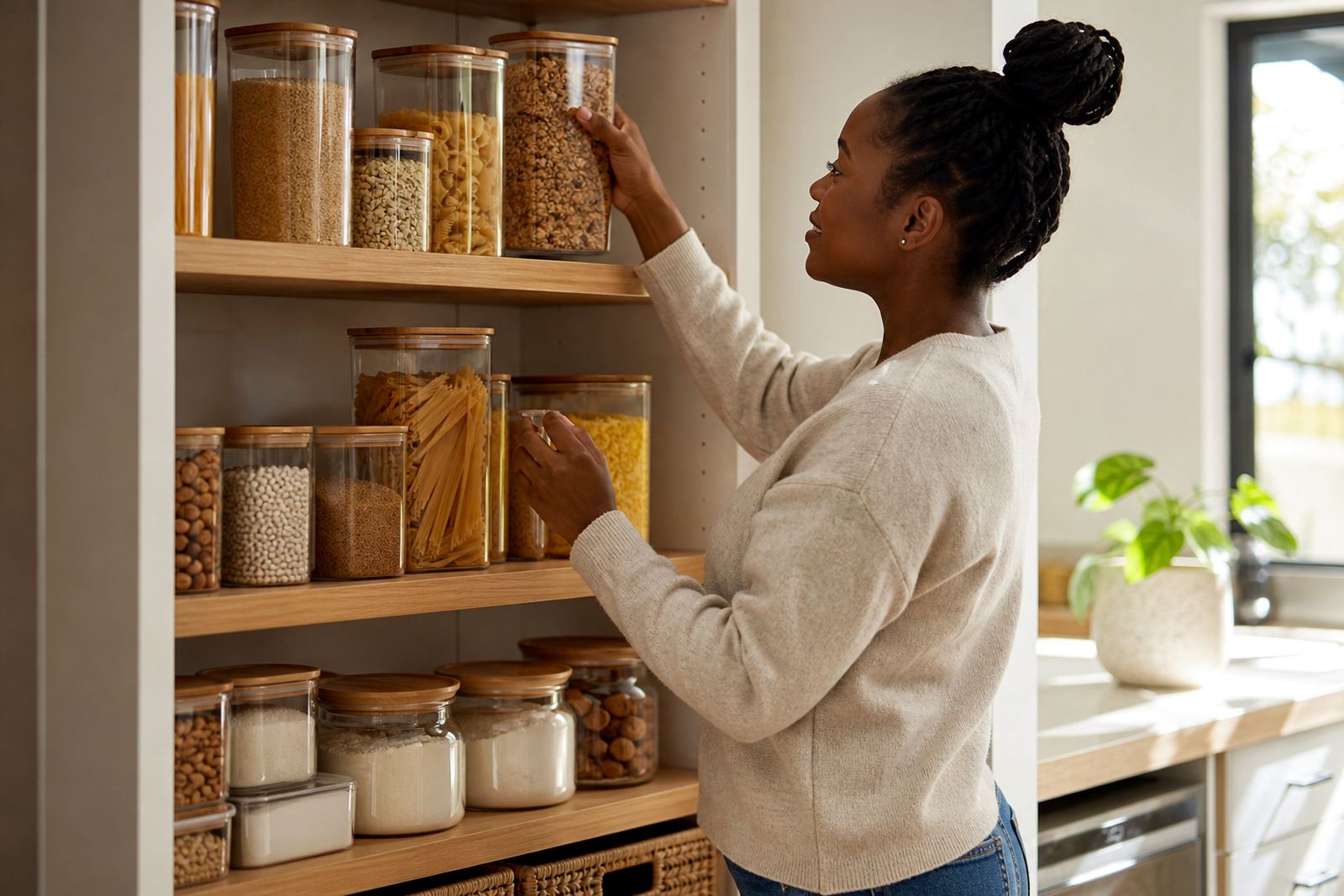
Pantries often become cluttered because dry goods arrive in different packet sizes, and once a packet is opened it is hard to keep neat. Matching containers remove that problem. Decanting flour, sugar, mielie meal, oats and rice into the same style of tub makes it easier to check stock and protect ingredients from pests and damp air.
For South African homes near the coast or in older houses with less sealed storage, airtight containers can make a real difference. Even in Gauteng, where dust can still find its way in, sealed storage helps keep ingredients in better condition. If you cook for a large family, having the same containers in 1 litre, 2 litre and 4 litre sizes makes restocking simpler and saves cupboard space.
- Use larger containers for staples like rice and flour
- Keep snacks in medium tubs for quick access
- Store baking items together in one section
- Group spices and seasonings in smaller, clearly labelled jars
Cupboards stay neater when containers are sized for the job
Cupboards are where organisation often breaks down. One tall tin, one short box and a few loose packets can take up more room than necessary. Matching containers give the cupboard a cleaner layout, but the real benefit is practical. You can create zones for breakfast items, lunch items, cleaning cloths or serving pieces without stacking everything awkwardly.
If you live in a flat, townhouse or compact home, choose containers that can nest inside one another when empty. That helps when you are not using them all at once. Families in Johannesburg and Pretoria often need storage for school lunch prep, weekend cooking and bulk buying, so the cupboard has to handle regular movement without becoming messy again by Friday.
Think about what you use most often and keep those items on easy-to-reach shelves. Less-used containers can go higher up or further back. The aim is not perfect display, it is making the cupboard practical for busy days.
Choose materials that suit South African homes
Not every container suits every job. Plastic containers are light and easy to move, which helps for packed fridges and lunch prep. Glass containers work well for leftovers, reheating and storage that needs to stay odour-free. Metal tins are useful for dry goods that stay in the pantry, but they are not always the best fit for damp conditions. A mixed set can work well if it is chosen carefully.
If you rely on meal prep because of long workdays or load-shedding planning, look for containers that can handle the freezer and fridge without cracking. For homes near the coast, lids should close tightly so moisture does not get in. If you host often or send food with family, a few larger containers are handy for salads, vetkoek fillings, or baked goods.
- Choose clear containers for quick identification
- Pick freezer-safe options for batch cooking
- Use smaller sizes for herbs, spices and sauces
- Keep a few larger containers for events or bulk storage
A Midrand example: one shelf, many uses
Consider a busy Midrand household with school lunches, office meals and weekend family cooking. The fridge gets opened all day, the pantry holds dry goods from monthly shopping, and the cupboard carries baking supplies, snacks and reusable wraps. Before sorting, everything is mixed together and items get pushed to the back. After switching to matching containers, the family can see at once what needs replacing, what can be used first, and what belongs where.
That kind of change is small but useful. The person packing meals saves time, the shopping list becomes more accurate, and food waste drops because fewer items are forgotten. For many homes, this is where good storage pays off. It is not about making the kitchen look fancy, it is about making it easier to live in every day.
Buyers often start with one area, then add more containers as the routine settles in. That approach works better than trying to sort the whole house in one afternoon.
Simple habits that keep storage working long term
Containers only help if the system stays easy to use. Put things back in the same place after washing or unpacking shopping. Label lids and fronts clearly. Do a quick check before grocery day so you know what to refill and what to use up first. Small habits like these keep the cupboard from sliding back into clutter.
It also helps to buy containers in matching sets instead of picking random pieces over time. That way, new items fit with the rest of the storage rather than creating another odd corner of the kitchen. If you need help choosing practical home storage for gifts, family use or bulk buys, the team can assist through the enquiry form on the contact page.