
Buying for looks instead of daily use
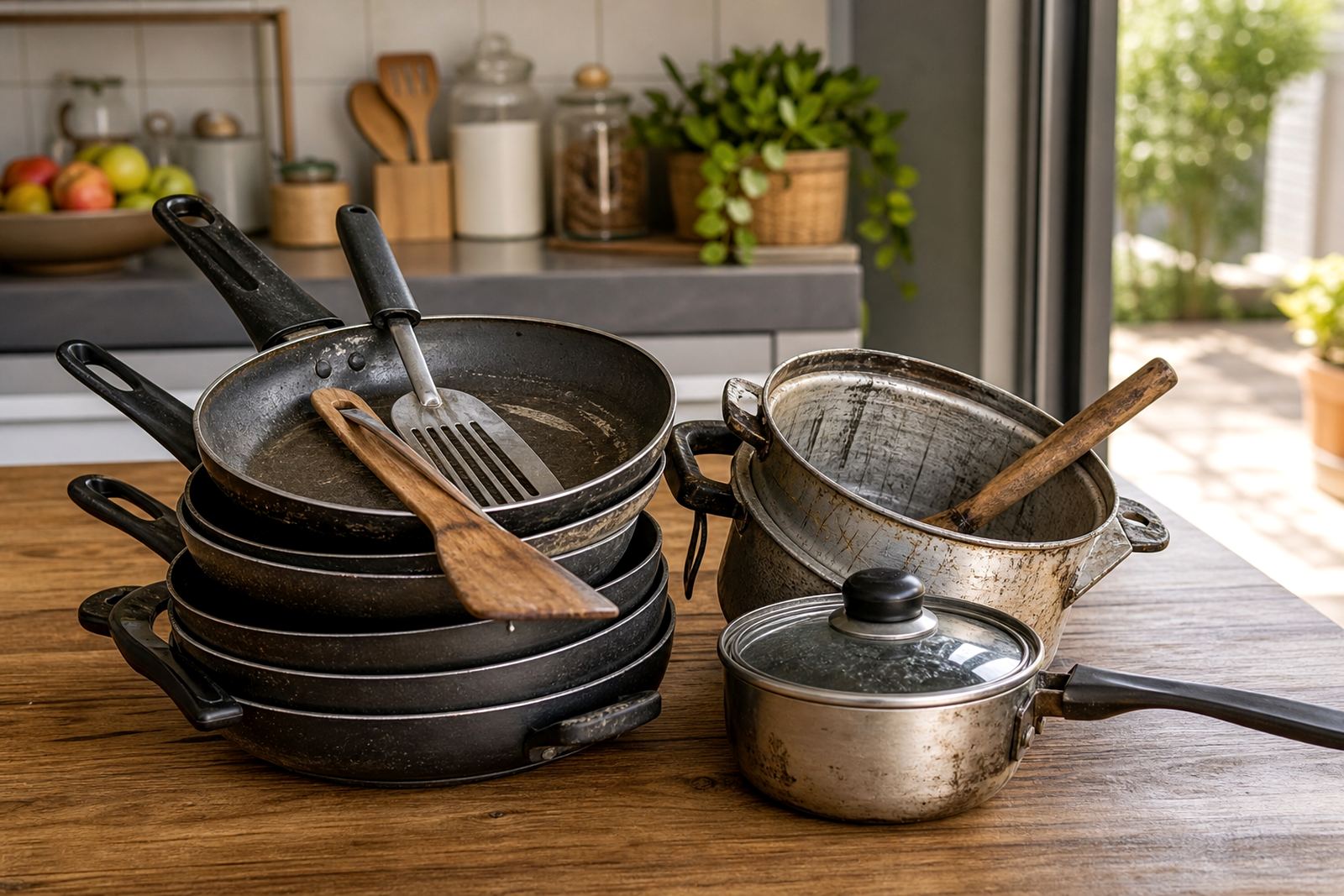
Many buyers get drawn to a shiny finish, a bold colour or a neat display box, then only realise later that the pans are awkward to handle or too thin for real cooking. A set should fit the meals you cook most often, whether that is eggs before work, pap and chakalaka for supper, or weekend stews for the family. If the base is too light it can hotspot, scorch quickly and leave you scrubbing instead of cooking.
In Midrand, where many homes rely on quick weekday cooking and busy meal prep, it pays to think about the actual pot and pan sizes you use every week. A 16 cm saucepan and a 24 cm frying pan may sound fine on paper, but if you cook for four people, you may need a deeper pan and a bigger lid than the set provides.
Choosing the wrong material for your stove and climate
One of the biggest mistakes is buying a pan set without checking whether it suits your heat source. Some pans are fine on gas but poor on induction, while others heat well but need careful handling on high flame. If you have load-shedding backup cooking plans or switch between gas and electric, make sure the base works on both. A good pan should sit flat, not wobble, and should not lose contact with the hob when it gets hot.
Coastal buyers often ask about rust and staining. In places like Durban and Gqeberha, salty air and humidity can punish cheaper finishes, lids and handles. If you store pans in a closed cupboard after washing, dry them fully first. A set with poor coating or exposed fasteners can start showing marks fast, and its not just cosmetic if moisture gets into joins and weakens the handle over time.
- Check if the pan base is marked for your stove type before you buy.
- Look for a flat, heavy bottom that spreads heat evenly.
- In humid areas, choose finishes that are easier to dry and keep clean.
Overlooking handle comfort and lid quality
Handles are easy to ignore until the first hot meal nearly slips from your hand. A pan set can look good in photos yet still have handles that get too warm, feel loose or sit at an awkward angle. If you cook often, test how the handle feels when the pan is full. You want a secure grip, enough room for a cloth or oven glove, and no sharp edges on the rivets or joins.
Lids matter just as much. A tight lid helps trap steam for rice, sauces and slow-cooked dishes, which saves electricity and gas. Glass lids are handy because you can check progress without lifting them, but they should be thick enough to handle regular use. A poor lid fit means more evaporation, more splatter and more fuss when you are trying to cook after a long day.
- Hold the pan by the handle before buying if you can.
- Check whether the lid sits snugly, not loosely.
- Make sure lid knobs and handle grips stay cool enough for normal use.
Ignoring cleaning effort and storage space
Another common error is choosing a set that looks smart but is a pain to clean. Deep grooves, awkward corners and delicate coatings can trap food and stain quickly. If you do school lunch prep, batch cooking or weekend frying, you need pans that wash well with normal kitchen soap and a soft sponge. A pan that needs special treatment every time can become one more chore in a busy household.
Storage is just as important. Some sets stack neatly, while others take over half the cupboard. In smaller flats or shared homes, that matters. Before ordering, think about whether you have enough space for saucepans, frying pans and lids without scratching the coating. If the handles stack badly, the set can waste more room than you expect.
- Choose coatings that can handle regular cleaning without special products.
- Check if the pans nest properly for cupboard storage.
- Avoid sets with too many pieces you will never use.
Not matching the set to the meals you cook
Some buyers assume a larger set is always better, but unused pieces are not a bargain. A household that mostly cooks quick meals may need one solid frying pan, one saucepan and one deeper pan. A family that makes stews, curries and one-pot meals may need a wider mix of sizes and a stronger stockpot. Buying the wrong mix means you still end up shopping again later.
It helps to list your real cooking habits before choosing. If you often reheat leftovers, prepare sauces or cook for visitors over weekends, look for pans that can move from hob to oven if needed. If you are buying for a student flat in Pretoria or a new home in Johannesburg, compact and practical usually beats oversized and flashy. The best set is the one that supports your routine, not the one that has the most pieces.
Forgetting the budget, warranty and delivery details
Price alone can be misleading. A cheaper set may look like good value, but if the coating flakes or the base warps after a few months, you pay twice. On the other hand, you do not need the most expensive option if a mid-range set suits your cooking and cleaning habits. Look at the total picture: material, size, finish, lid quality and how easy it is to replace if needed.
When you order online, also check delivery timelines and return support. A pan set is a bulky parcel, so make sure the courier can reach your area and that the packaging will protect the items in transit. If the order is for a gift or a corporate hamper, ask about wrapping and tracking so the kitchenware arrives in time. In Gauteng and along the coast, delivery times can differ, so it helps to keep expectations practical and plan ahead.
Good cookware should make life easier, not harder. When you buy with your stove, storage space, meal habits and local conditions in mind, you avoid most regrets before they start.