
Start with the space you already have
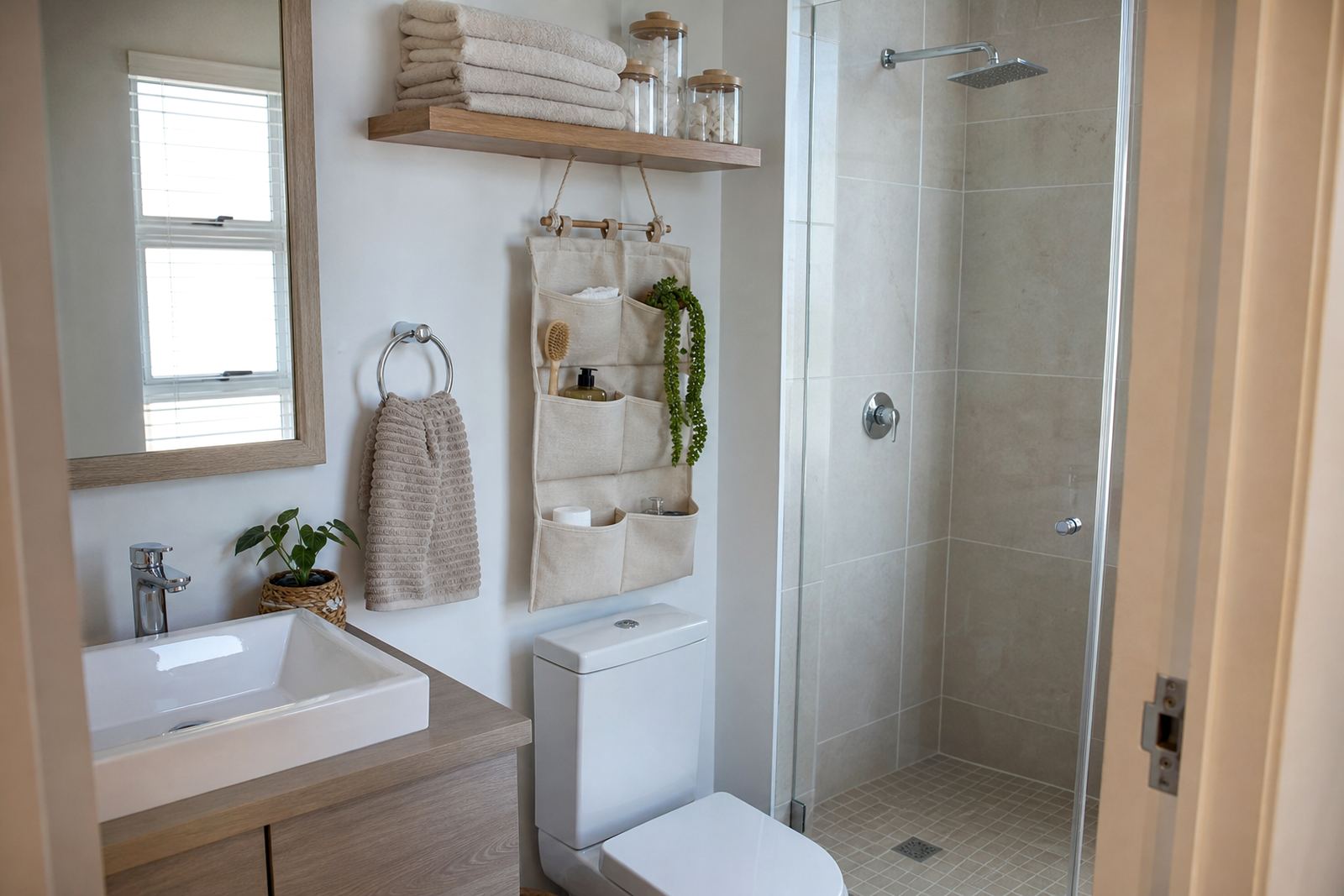
Most South African homes do not have a full room to spare for work, so the first step is to use the space you already have well. A compact corner near a window, a section of the lounge, or even a spot in the passage can work if it is kept clear and used for one purpose. The goal is to reduce clutter and keep the things you use every day close at hand.
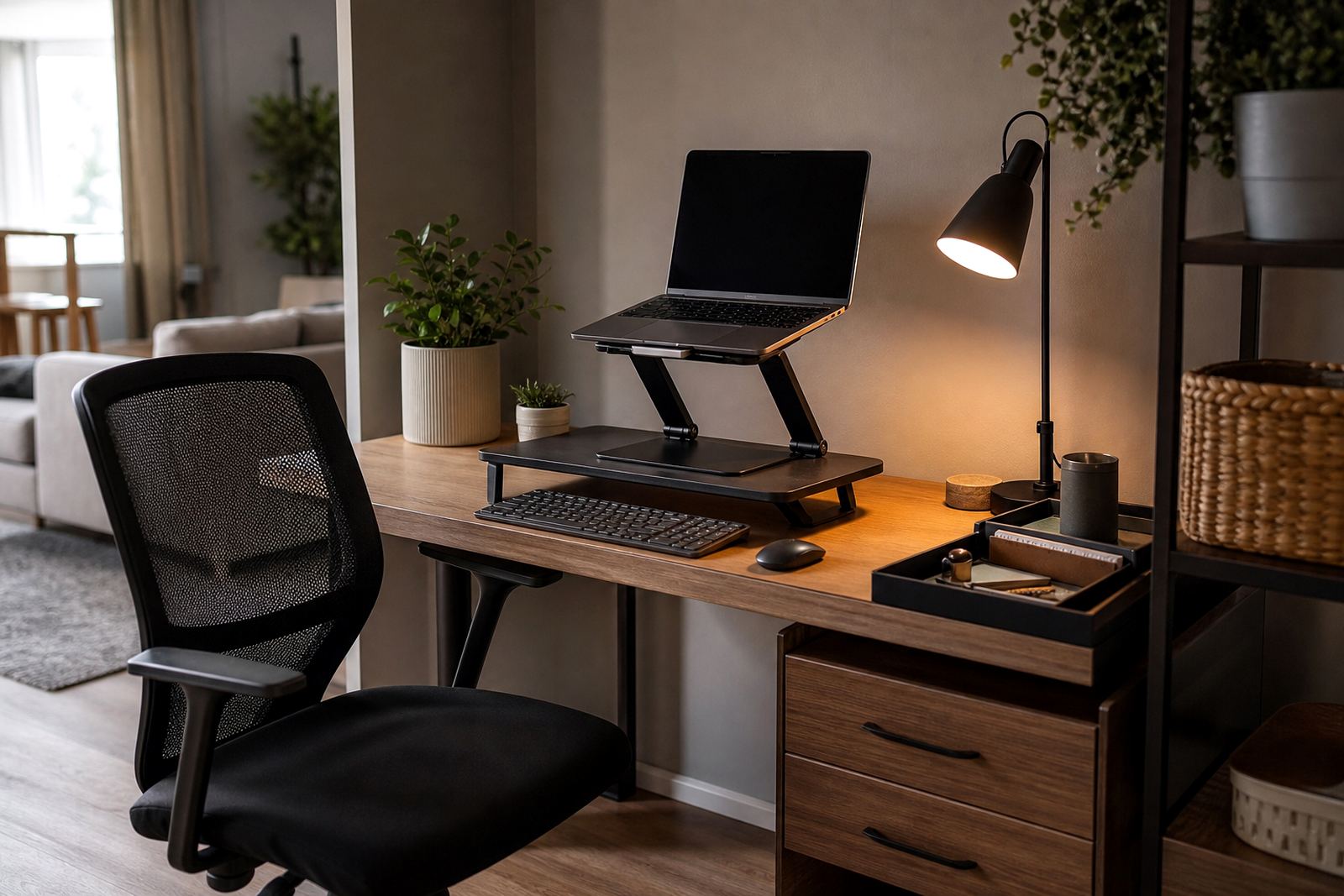
Measure the area before buying anything. Even a 90 cm wide surface can be enough for a laptop, a lamp and a notebook if the storage is managed properly. In Midrand flats, townhouse units and garden cottages, that kind of planning matters because every metre has to work hard. If you share the room with family, choose items that can be packed away after hours so the space still feels like home.
- Keep only the essentials on the surface.
- Use wall height for storage instead of floor space.
- Choose light colours to make the area feel less cramped.
- Leave enough room for a chair to move back comfortably.
Use lighting that helps you work longer
Good lighting is one of the quickest ways to improve a small work area. If you rely only on the room light, the space can feel flat and tiring especially on dark winter afternoons or during load-shedding when you switch to battery or backup power. A focused lamp lets you see notes clearly and reduces eye strain when you are working on a laptop for long periods.
Place the light slightly to the side so it does not create a glare on the screen. If your corner sits near a window, use natural light during the day and add a lamp for late afternoon and evening work. Warm white light is comfortable in a home setting, while a slightly cooler bulb can help if you need sharper focus for reading or admin. In coastal towns like Durban or Gqeberha, choose fittings that cope better with humidity and wipe them down now and again.
- Pick a lamp with an adjustable arm or head.
- Use energy-saving bulbs to keep running costs down.
- Keep a small rechargeable light handy for outages.
- Avoid placing the screen directly in front of a bright window.
Choose storage that keeps the surface clear
Small work corners become frustrating when papers, chargers and stationery spread everywhere. Storage should make it easy to put things away quickly, not add another job to your day. Boxes, trays, drawer units and vertical organisers all help keep the surface clear so you can start work without first clearing a pile.
Think in categories. One place for cables, one for paperwork, one for pens and one for odds and ends is usually enough. If you are working from a bedroom or shared family space, closed storage is better than open storage because it hides the visual noise. A neat setup also helps if you need to pack away quickly before visitors arrive or before a child needs the table for homework. Small plastic bins are useful, and so are fabric organisers that fit onto a shelf or in a cupboard.
- Use labelled containers for cables and chargers.
- Choose stackable boxes for documents and files.
- Keep frequently used items in the top section.
- Use a cable clip or sleeve to stop wires from tangling.
Pick accessories that earn their place
In a compact setup, every accessory should solve a real problem. A stand for your laptop, a compact keyboard, a mouse pad with wrist support and a phone holder can make a small corner more comfortable without taking up much room. The idea is to improve posture and reduce strain, not add clutter for the sake of it.
If you spend most of the day answering messages, handling invoices or planning content, little items can make a big difference. A document holder keeps paper at eye level. A small footrest can help if your chair is slightly too high for the table. A tray for loose items stops keys and coins from ending up all over the place. Buy only what you will use daily, because in a small room unused accessories become clutter very fast.
For households in Johannesburg or Pretoria where power interruptions can still interrupt the day, a simple power bank, backup light and surge protection are practical additions. They do not need much space but they can keep work moving when the power cuts out at the wrong time.
Make the space feel calm and usable
A compact work area should feel calm enough to sit down and begin. That starts with reducing visual clutter and choosing a few items that make the corner feel intentional. A small pinboard, a neat calendar, or one framed note with your weekly tasks can help you stay focused without making the room busy.
Colour also matters. Pale greys, soft whites and light wood tones usually make a small space feel less heavy. If you want some personality, add one accent colour through a mug, organiser or cushion rather than filling the whole corner with patterns. Keep cables off the floor where possible and use one storage box for items that need to be moved often. It is a simple habit but it makes the area easier to keep tidy.
For homes where the work spot sits in a multi-use room, choose folding or compact items that can be moved aside. That way the room still works for family life after hours and does not feel like an office took over the house.
A practical Midrand example that works at home
Think of a Midrand townhouse with one narrow corner next to the dining area. There is no spare room, only a wall, a chair and enough space for a small surface. By adding a slim table, a lamp, a vertical shelf and two storage boxes, that corner becomes a proper working area without taking over the rest of the house. The setup stays useful for school admin in the morning and can be packed down slightly for supper time.
That same approach works in many South African homes, whether you are in a Durban apartment, a Cape Town flat or a family house in the East Rand. The trick is to match the accessories to the space rather than forcing the space to fit a full room setup. If the area is small, keep the fittings slim, the lighting focused and the storage close. A well planned corner feels better to use and is easier to keep in order over time.
- Use a narrow table instead of a large one.
- Choose one task light rather than several lamps.
- Keep a small basket for daily carry items.
- Refresh the space monthly so clutter does not build up.
Small habits that keep the corner working
Once the setup is in place, the real difference comes from small habits. Put things back in the same spot, clear the surface at the end of the day and check cables before they start tangling. These simple routines save time and stop the corner from becoming a dumping ground for everything else in the house.
If you buy items for a compact home office, think about durability, size and how often you will use them. A good lamp, a sensible organiser and one or two comfort accessories are usually enough. You do not need a full room to work well, just a space that fits your routine and stays easy to use.