

Start with the rooms you use every day
When you move into a first home, it is tempting to buy for every room at once. A better plan is to begin with the spaces that affect daily comfort straight away: the kitchen, bathroom, bedroom and a small cleaning kit. Those are the areas that keep meals moving, help you sleep properly and make the place feel liveable while the boxes are still stacked in the corner.
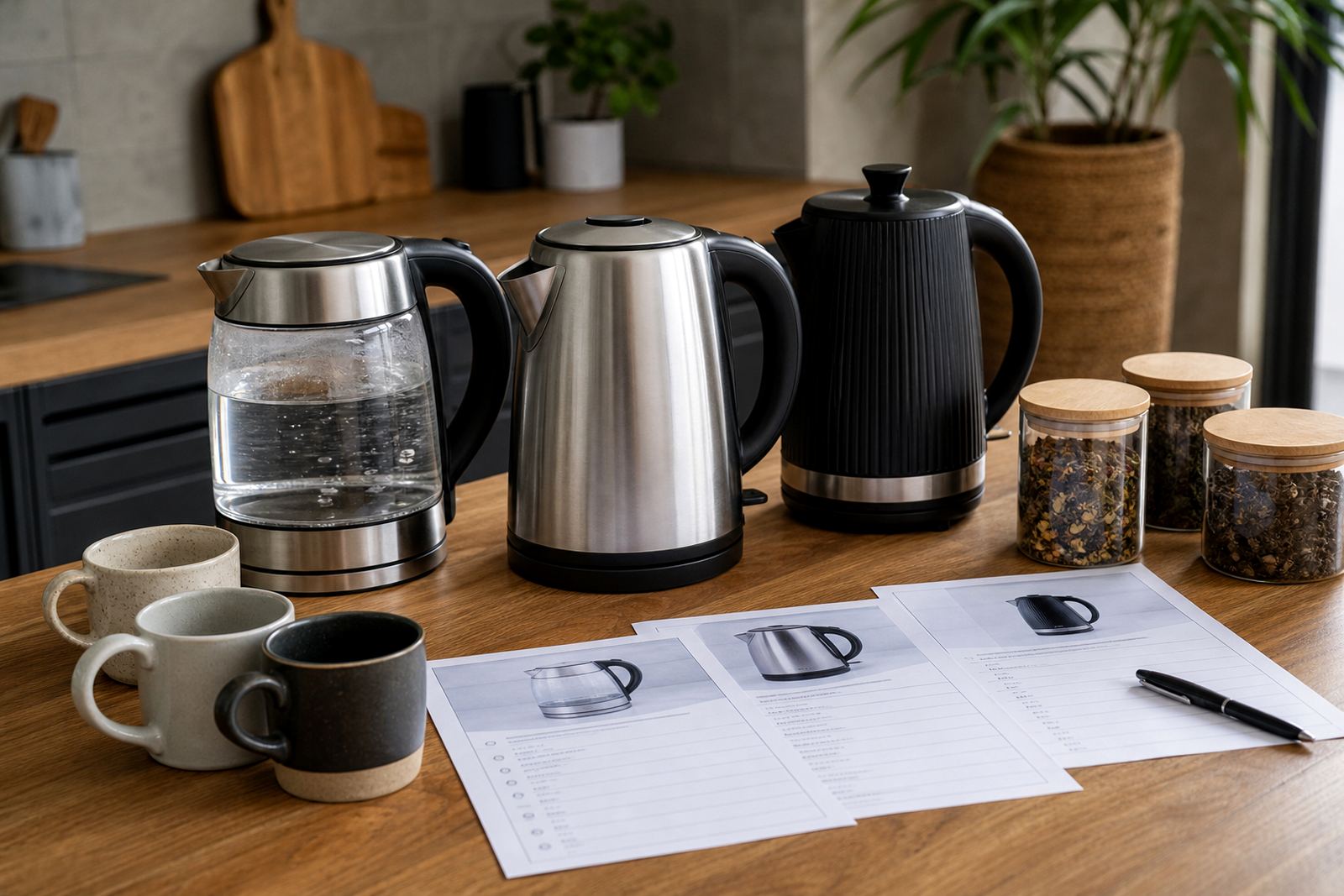
Think in terms of function before style. A kettle, pot, pan, cutting board and a set of plates do more for you than a room full of decorative extras. The same goes for a basic mop, bucket, dish rack and laundry basket. You can build up the rest over time as paydays allow and as you learn how you actually use the space.
- One good pot and one frying pan
- Basic cutlery and four to six place settings
- Dish cloths, sponges and a dish rack
- Mop, bucket and general cleaner
- Bedding, pillows and at least two sets of towels
Kitchen buys that pull their weight from day one
The kitchen is usually the busiest part of a first home, especially if you are cooking simple meals after work. Prioritise items that save time and reduce waste. Airtight containers help with groceries bought in bulk, while a reliable food storage set keeps leftovers safe in the fridge. If your place has limited cupboard space, stackable pieces are worth the money because they make better use of every shelf.
For many South African households, the first month often includes power interruptions too, so it helps to choose practical items that still work when the electricity goes off. Manual tools, gas-safe cookware and a few rechargeable lights can make supper prep much easier. If you are in a coastal area like Durban or Gqeberha, look for materials that handle humidity without rusting quickly.
- Storage containers in mixed sizes
- Can opener, peeler and serving spoons
- Travel mugs or insulated bottles for commuting
- Compact lunch boxes for work or campus
- Rechargeable light or torch for evening cooking
Bedroom basics for proper rest
A first home should feel calm at the end of the day. That starts with a bed that is ready to use, linen that fits properly and enough storage to keep clothing off the floor. Even if the room is small, a few thoughtful purchases can make it feel organised. A mattress protector, fitted sheets and extra pillowcases are not flashy buys, but they make a real difference when you move in fast.
Do not forget that South African summers can be hot and dusty, while winter can be cold in places like Pretoria and the East Rand. Choose bedding that works across seasons, and keep a spare blanket within reach. If the room is prone to damp, especially in older flats or coastal homes, make sure linen can dry quickly after washing.
- Mattress protector and fitted sheets
- Two pillow sets and spare pillowcases
- One warm blanket and one lighter cover
- Hangers and a laundry hamper
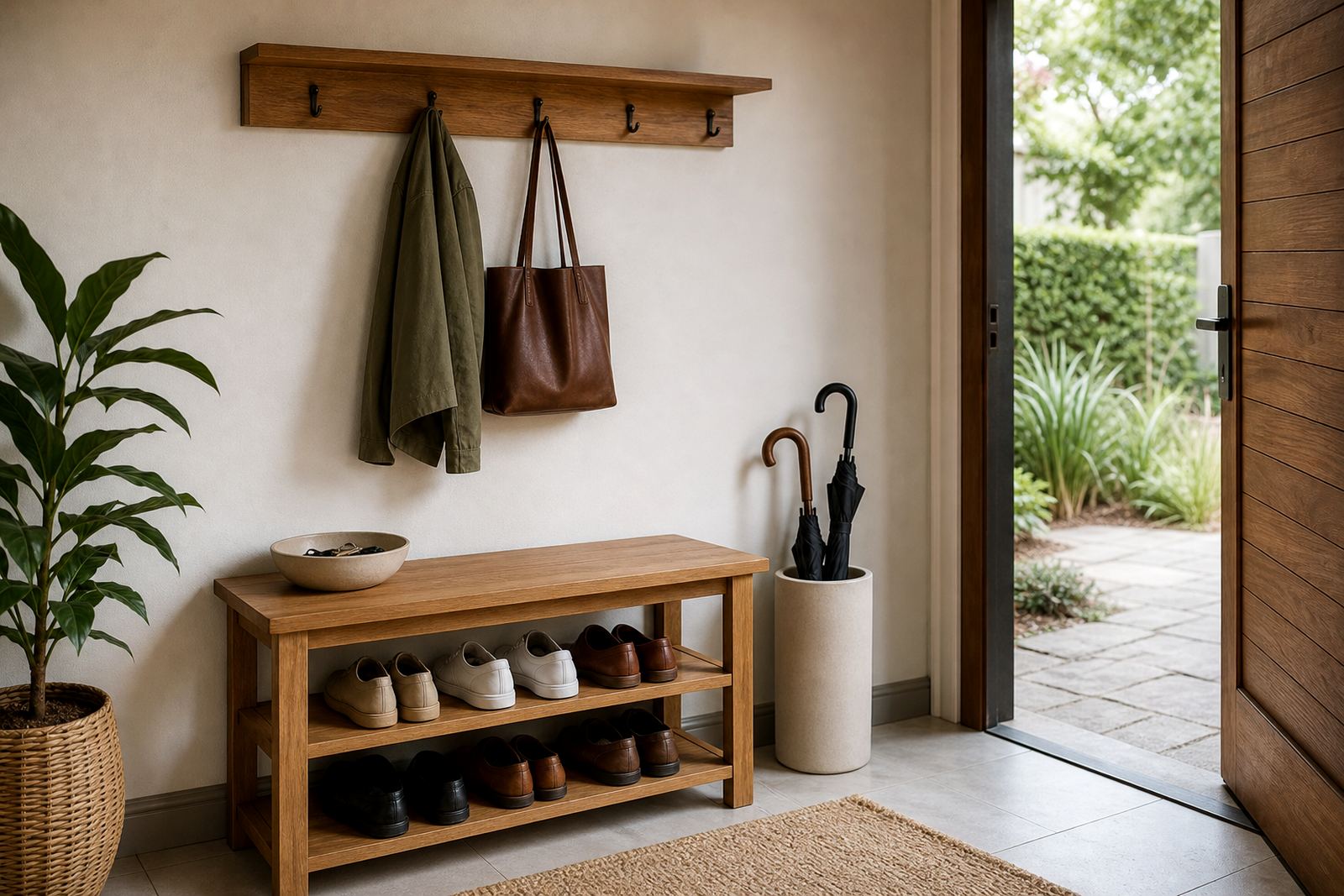
- Simple storage boxes for shoes or accessories
Cleaning and laundry items you will use every week
Cleaning supplies are one of the most overlooked parts of setting up a new place, yet they quickly become essential. Once the unpacking starts, dust gathers, floors need sweeping and the bathroom needs attention. A compact cleaning kit helps you stay on top of things without having to run to the shop every second day. For a first home, that convenience matters.
Choose items that suit the space you have. A smaller apartment may only need a compact mop and bucket, while a freestanding home may need a stronger broom and extra cloths. If you live in Midrand or anywhere with heavy traffic dust, keeping a microfibre cloth handy for counters and windows will save time. For laundry, a basket, pegs and a drying solution are worth including early. Municipal water restrictions or shared laundry areas can also make planning ahead a good idea.
- Multi-purpose cleaner and bathroom cleaner
- Broom, dustpan and mop
- Microfibre cloths and sponges
- Laundry basket, pegs and washing line solution
- Rubber gloves and bin liners
Small gadgets that solve everyday problems
The right gadget is not about impressing guests, it is about making ordinary tasks easier. A rechargeable torch helps during load-shedding. A compact power bank keeps your phone alive when you need to check deliveries or speak to family. An extension lead with surge protection is also useful if your home has limited plug points, which is common in older properties and some rental units.
Think carefully before buying too many extras. One or two well-chosen items are better than a cupboard full of gadgets you barely use. If you work from home some days, or study at night, a small fan, counter lamp or portable speaker can improve the space without taking up much room. Just make sure any electrical item suits local voltage and safety needs, and keep cords away from wet areas.
- Rechargeable torch or lantern
- Power bank for phones and small devices
- Surge-protected extension lead
- Compact fan for warm evenings
- Charging cables kept in one place
How to buy smart when the budget is tight
It is easy to overspend in the first few weeks because every room seems to need something. A better method is to set a priority order and buy in stages. Start with the items that support cooking, sleeping and cleaning. After that, add the pieces that improve storage, convenience and comfort. This keeps cash flow under control and reduces the chance of buying duplicates.
If you are moving into a flat in Johannesburg, a townhouse in Pretoria, or a starter home in Gqeberha, the same rule applies: measure first, then buy. Check cupboard widths, shelf heights and available plug points before ordering. Keep an eye on delivery timing too, especially if you need items before moving day. A simple wish list can help you compare what you need now against what can wait until next month.
- Measure spaces before placing orders
- List must-haves separately from nice-to-haves
- Buy in sets only when you need the full set
- Keep receipts and note return conditions
- Check delivery address details carefully